As part of M3d+it 2026, participants will have the opportunity
to gain first-hand insights into patient-specific medical
3D applications, advanced biofabrication and state-of-the-art
biomedical imaging and characterisation technologies in Linz.
On-site Visit
Competence Centre for Patient-Specific 3D Applications
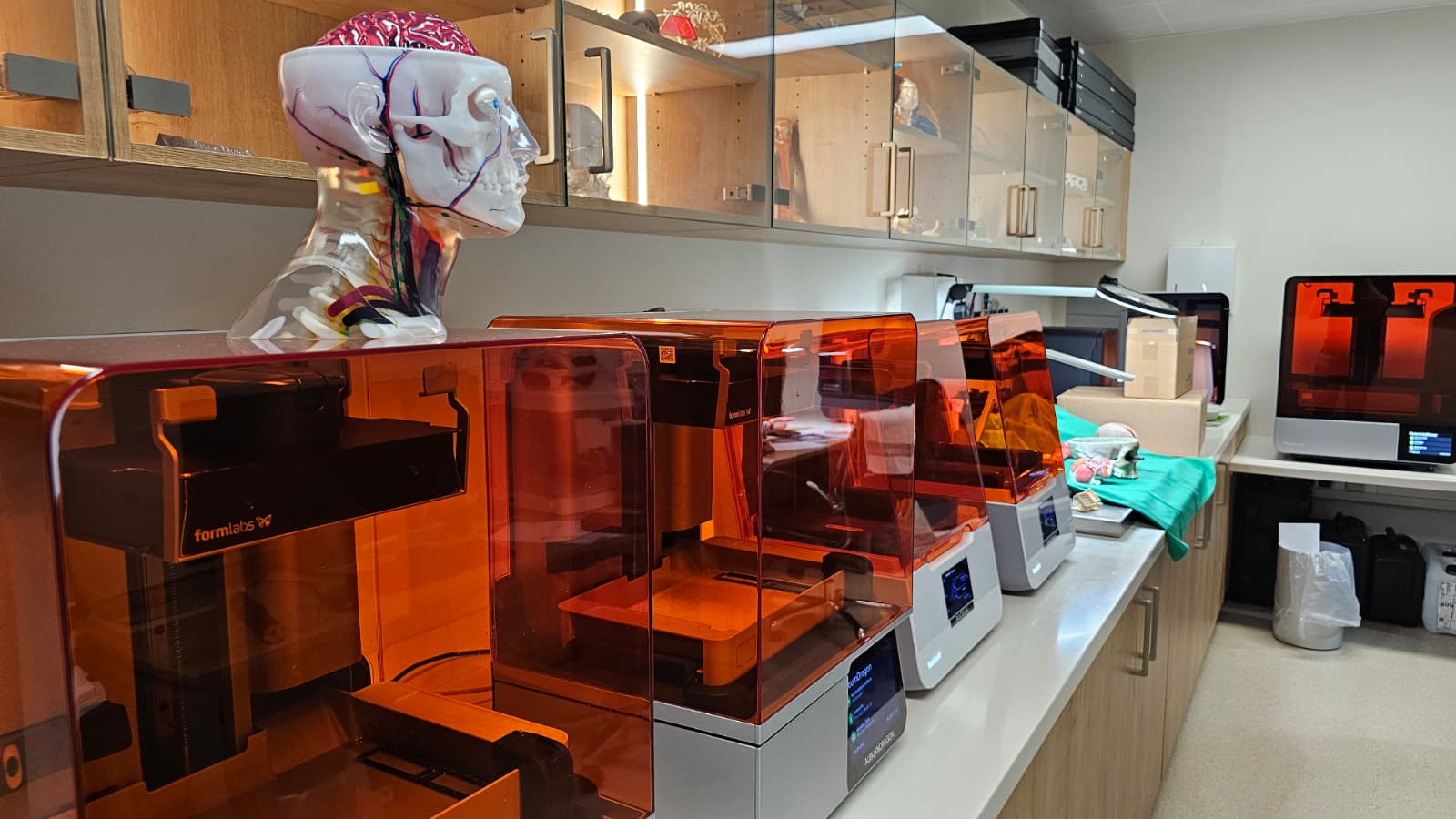
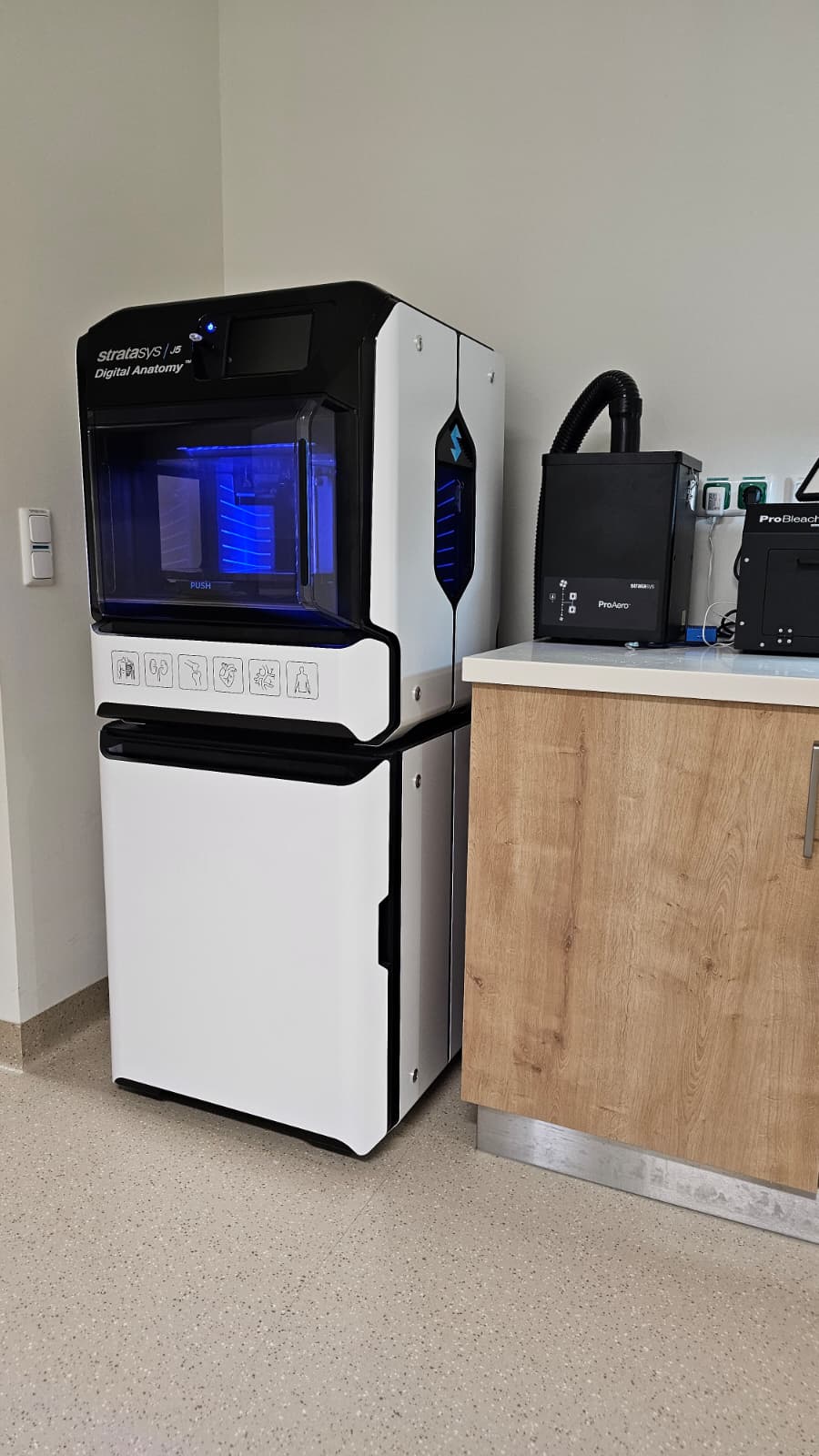
The Competence Centre for Patient-Specific 3D Applications
at Kepler University Hospital (KUK) in Linz is a highly innovative
medical facility focused on generating, visualising and printing
highly detailed 3D anatomical models and guides.
Derived from medical imaging, the facility provides services ranging
from detailed anatomical demonstration objects and simulation models
to medical aids and surgical guides, as well as concepts for customised
patient-specific treatments.
Key areas of application include
patient education, precise surgical planning and execution,
research and teaching.
On-site Visit
BioMediCry – Biomimicry Centre for Biomedical Engineering and Characterisation
The Biomimicry Centre for Biomedical Engineering and
Characterisation (BioMediCry) is an interdisciplinary centre
for biofabrication and sample characterisation services.
The centre combines medical research, 3D bioprinting and
advanced imaging and characterisation techniques to develop
new therapeutic approaches, hydrogels and bioinks.
Biofabrication
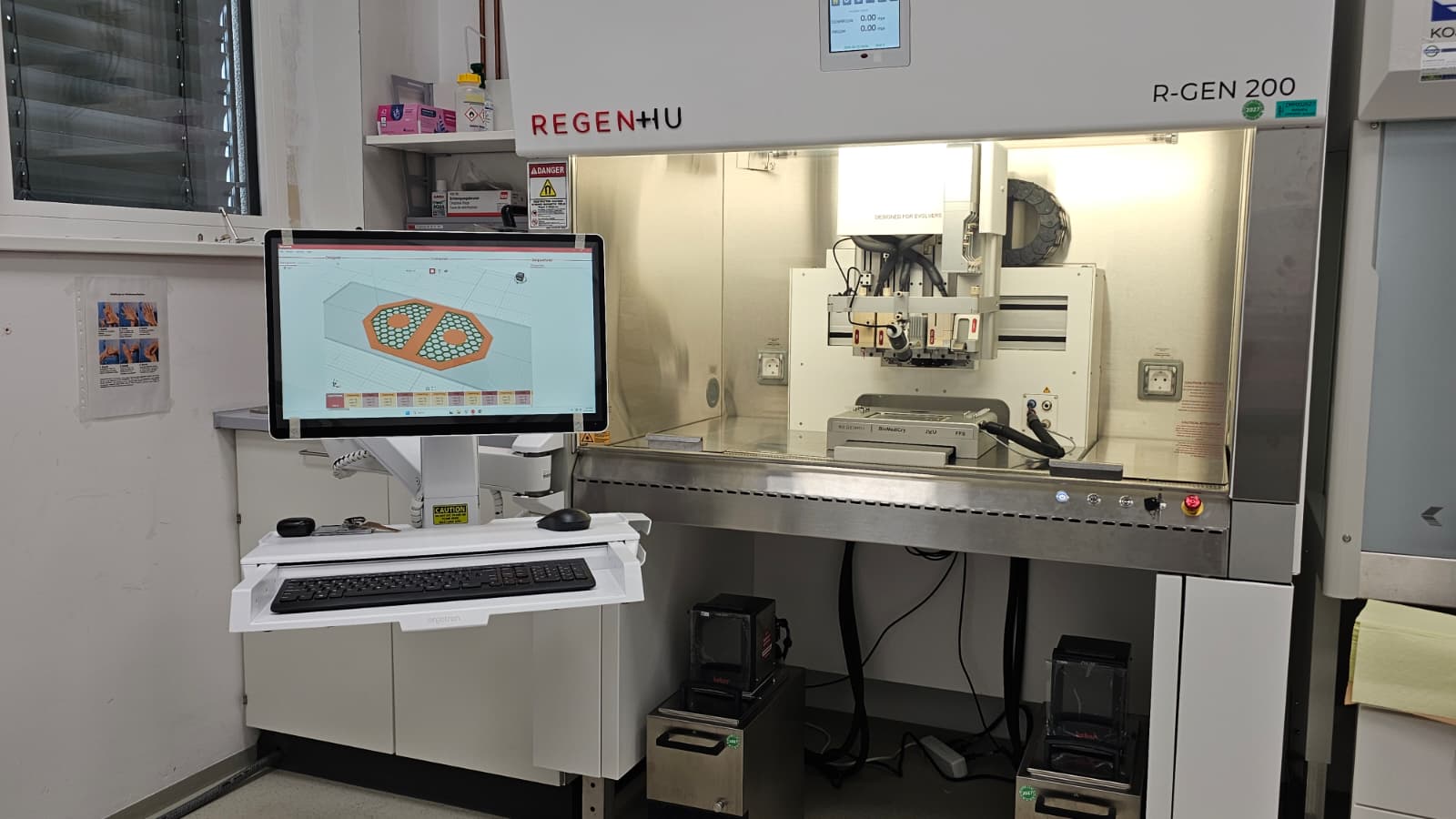
The state-of-the-art RegenHU R-GEN 200 bioprinter
offers sophisticated biofabrication capabilities.
Key features include a fully contained sterile working environment,
electrospinning and electrowriting, as well as the patented dynamic
formulation module that allows for controlled mixing, blending or
transitioning between up to four different bioinks.
Sample Characterisation
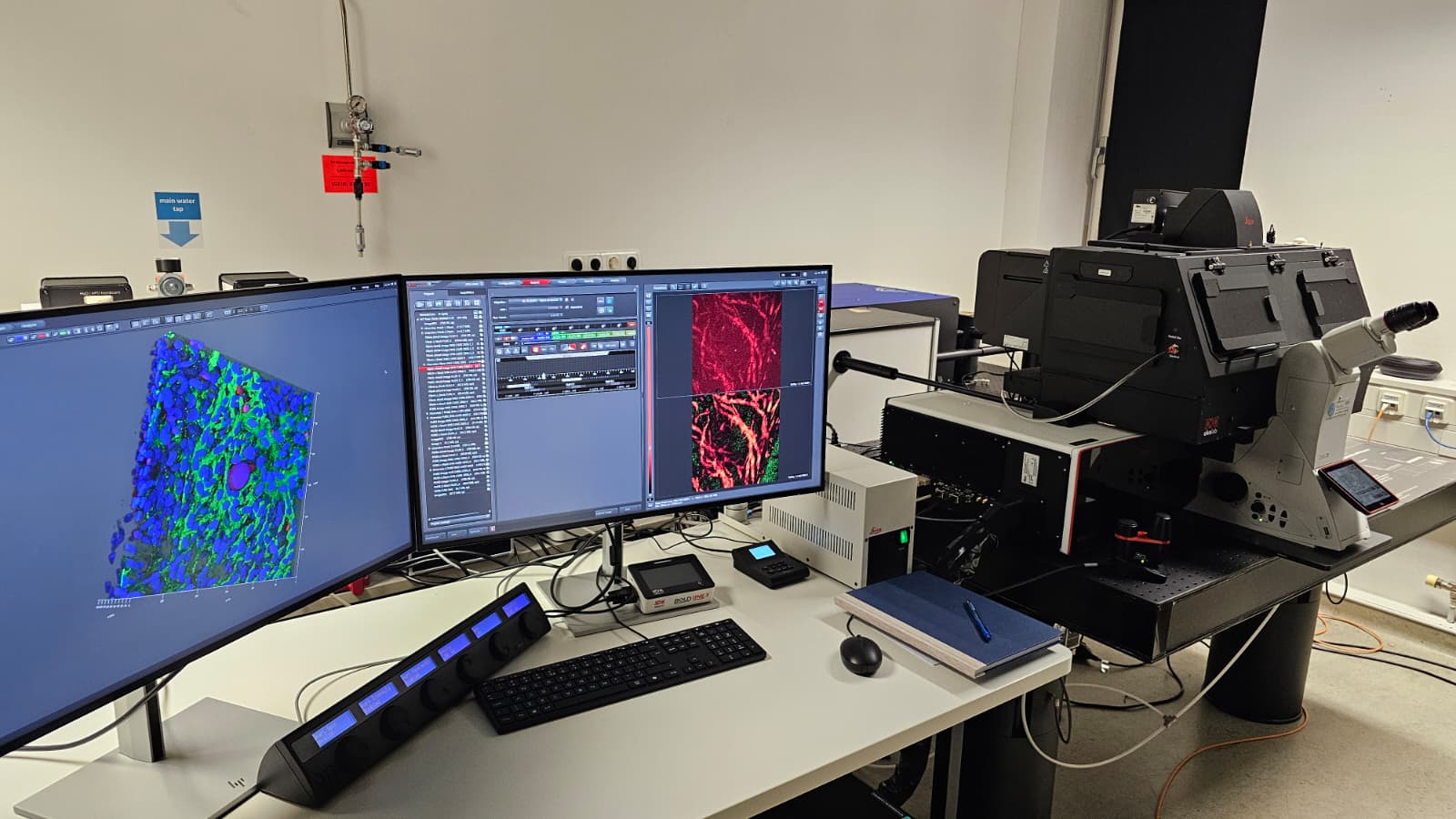
BioMediCry offers extensive imaging capabilities covering a wide
variety of imaging modalities, including
TIRF, FRET/PALM, PAINT, STORM, FLIM, FCS and SHG,
as well as a tuneable white light laser.
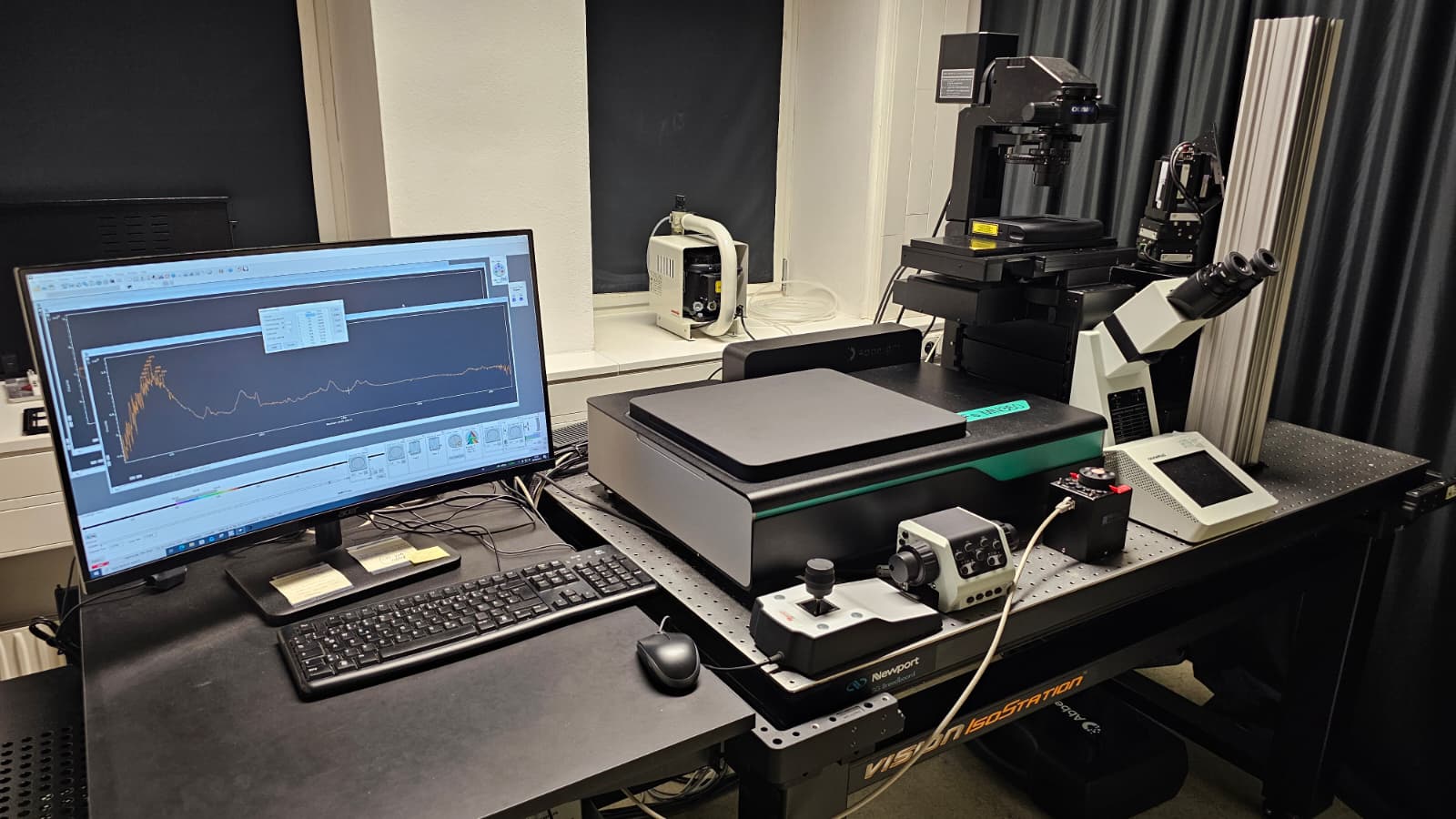
The available infrastructure also supports label-free live-cell
imaging using CARS and SRS. In addition, the
Rheo-Raman system reveals changes in chemical composition under
mechanical stress, providing insights into the interplay between
chemistry and mechanics.